

Bitten by a dog in South Carolina? Learn the steps to take, how SC's strict liability dog bite law works, and how Sharpe & Leventis can help you recover.

Hurt on a city bus in South Carolina? Learn how the Tort Claims Act, shorter deadlines, and damage caps affect your claim, and how Sharpe & Leventis can help.
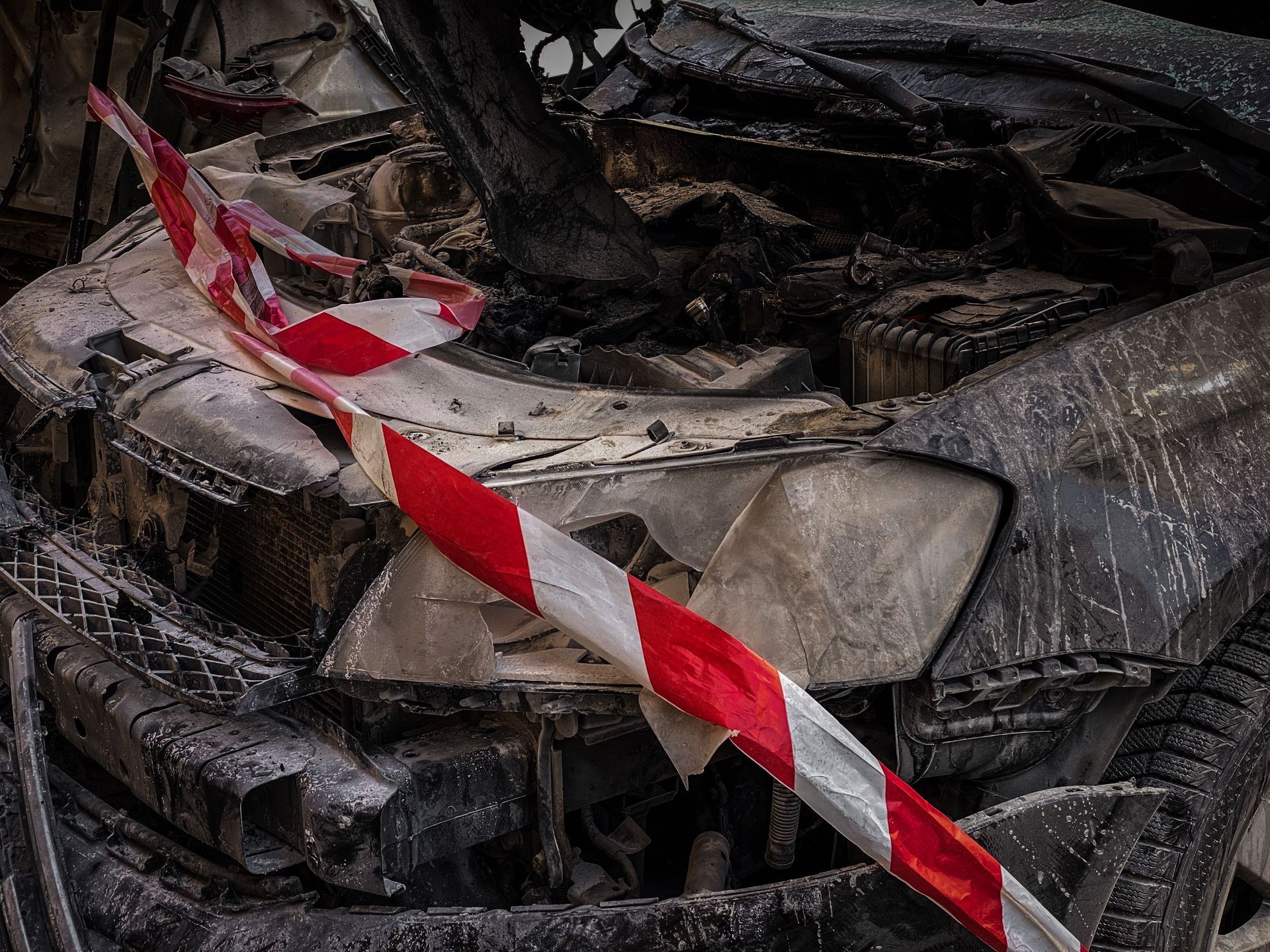
A car accident can leave you shaken, sore, and unsure of what to do next — especially in the first few minutes after impact. What happens next, though, can affect your health, your insurance claim, and your ability to recover compensation if the crash wasn't your fault. Here's a step-by-step guide, along with what South Carolina law says about fault and insurance after a wreck. 1. Check for Injuries and Call 911 Safety first. Check on yourself and any passengers, and call 911 if anyone is hurt or if the vehicles need to be moved out of traffic. Even if you feel fine, adrenaline can hide pain from whiplash, concussions, or soft-tissue injuries that show up hours or days later. It's always worth being evaluated. 2. Report the Accident If the crash involves an injury, a death, or more than $1,000 in property damage , South Carolina law requires it to be reported. If law enforcement responds to the scene, they'll typically complete this for you on Form FR-309. If police don't respond — which sometimes happens with minor crashes — you're responsible for filing the FR-309 yourself with the SCDMV within 15 days . Failing to report when required can jeopardize your driver's license and give an insurance company a reason to dispute your claim. 3. Exchange Information — and Nothing More Get the other driver's name, contact information, license plate, and insurance information. Avoid discussing who was at fault at the scene — even a well-meaning "I'm sorry" can later be used against you as an admission of fault. Stick to the facts. 4. Document the Scene Take photos of both vehicles, license plates, the road, any skid marks, traffic signs or signals, and your visible injuries. Get names and phone numbers for any witnesses. This evidence can be far more persuasive than memory alone once weeks have passed and insurance adjusters start asking questions. 5. Get Medical Treatment and Keep Records See a doctor promptly, even for what seems like a minor injury, and follow through with any recommended treatment. Keep every medical bill, prescription, and record of missed work. Gaps in treatment are one of the first things insurance companies point to when trying to minimize a claim. 6. Be Cautious with Insurance Companies You'll likely hear from the other driver's insurance company soon after the crash. You're not required to give a recorded statement, and you shouldn't sign a release or accept a settlement offer before understanding the full extent of your injuries. Adjusters are trained to settle claims quickly and for as little as possible — often before you know what your medical treatment will actually cost. South Carolina Is an At-Fault State South Carolina is a "fault" or tort state, meaning the driver who caused the accident — and their insurance — is responsible for the resulting damages. South Carolina requires drivers to carry at least 25/50/25 liability coverage ($25,000 bodily injury per person, $50,000 per accident, $25,000 property damage), along with matching uninsured motorist coverage. Because these minimums are often not enough to cover serious injuries, it's worth checking your own policy for underinsured motorist coverage, which can help fill the gap if the at-fault driver's insurance isn't sufficient. South Carolina also follows a modified comparative negligence rule with a 51% bar : you can recover damages as long as you're found less than 51% at fault, with your award reduced by your percentage of fault. If you're found 51% or more at fault, you can't recover anything. Insurance adjusters routinely try to shift blame onto accident victims for exactly this reason, which is one of the biggest reasons to have someone advocating on your behalf. Don't Wait to Get Help South Carolina generally gives you three years from the date of the accident to file a personal injury lawsuit (and three years from the date of death in a wrongful death case). That window can shrink to as little as two years if a government vehicle or employee was involved in the crash. Evidence and witness memories fade over time, so it's best to speak with an attorney well before any deadline is close. Talk to a South Carolina Car Accident Attorney If you've been injured in a car accident that wasn't your fault, you shouldn't have to go up against an insurance adjuster on your own. At Sharpe & Leventis, LLC , we help car accident victims throughout South Carolina understand their options, push back against lowball offers, and pursue the compensation they deserve. Sharpe & Leventis, LLC 3710 Landmark Drive, Suite 403 Columbia, SC 29204 📞 (803) 830-6296 🌐 https://www.sharpeleventis.com Contact us today for a free, no-obligation consultation. *This article is provided for general informational purposes only and does not constitute legal advice. Every case is different — please contact Sharpe & Leventis, LLC or another licensed South Carolina attorney to discuss the specific facts of your situation.*

From Charleston's restaurant scene to Myrtle Beach's bars and nightclubs, South Carolina's hospitality industry sees enormous foot traffic — and injuries happen more often than most people expect. A bar or restaurant injury claim can look very different depending on what actually happened: a slip on a wet floor, a fight that breaks out on a crowded dance floor, an overserved patron who causes harm, or food that makes you sick. Here's what to do, and how South Carolina law treats each type of claim. 1. Report the Incident and Get Medical Attention Tell a manager immediately and ask that an incident report be created. Then get medical attention — whether that means an ER visit for a fall or assault, or a doctor's evaluation if you're experiencing symptoms of food poisoning. Prompt treatment protects your health and ties your injury to the incident. 2. Document What Happened Photograph the hazard that caused your injury — a spill, broken glass, a wet floor with no warning sign — before it's cleaned up. If you were involved in an altercation, photograph your injuries and the area where it happened. If you got sick from food, photograph the food itself and keep any leftovers, packaging, or receipts if at all possible. 3. Get Witness Contact Information Bars and restaurants are crowded and staff turn over quickly. Get names and phone numbers for anyone who saw what happened — other patrons are often the best evidence of what really occurred, especially in an assault or fight. 4. Preserve Surveillance Footage Most bars and restaurants have security cameras, and footage is often the most important evidence in a fall, fight, or assault case. It's also often deleted or overwritten within days or weeks. An experienced personal injury attorney can send a preservation letter quickly to make sure it isn't lost. 5. Be Careful With Insurance Adjusters Don't give a recorded statement or sign anything before you understand the full scope of your injuries — early settlement offers are often far less than a claim is actually worth. The Legal Standard Depends on What Happened Slip-and-falls and property hazards: As with any South Carolina premises liability claim , you generally need to show the establishment had notice of the hazard — either actual notice (staff saw the spill or hazard and did nothing) or constructive notice (it existed long enough that a reasonable inspection should have caught it). Fights and assaults (negligent security): Bars and nightclubs have a duty to take reasonable precautions to protect patrons, particularly where fights or violence are foreseeable — think inadequate lighting, insufficient bouncers or security staff, or a known history of trouble that wasn't addressed. If security staff or a bouncer used excessive force against you, both the individual and the establishment that employed them may be liable. Overserved patrons (dram shop liability): South Carolina law prohibits bars and restaurants from serving alcohol to a person who is visibly intoxicated. If an overserved patron caused your injury — whether in a fight inside the venue or a crash after leaving — the establishment that kept serving them may be liable for violating that law, in addition to the patron themselves. Food poisoning and foreign objects: If you got sick or were injured by something in your food, you'll generally need to show the restaurant or supplier was negligent in preparing, handling, or serving the food, that this caused your illness or injury, and that you suffered real damages. Because symptoms of foodborne illness often show up hours or days later, getting a prompt medical diagnosis and preserving any evidence — receipts, leftover food, packaging — makes a real difference in these cases. South Carolina's Comparative Negligence Rule Whatever type of claim applies, South Carolina's modified comparative negligence rule — the 51% bar — generally comes into play. If you're found less than 51% at fault for your own injury, you can recover damages, reduced by your share of fault. If you're 51% or more at fault, you recover nothing, which is why establishments often look for ways to argue you were also to blame — for instance, that you were intoxicated or provoked a fight. Don't Wait to Get Help South Carolina generally gives you three years from the date of the injury to file a personal injury lawsuit . Given how quickly surveillance footage disappears and how fast memories of a crowded, chaotic night can fade, it's best to speak with an attorney as soon as possible. Talk to a South Carolina Bar and Restaurant Injury Attorney Whether you were hurt in a fall, a fight, or from something you ate, figuring out who's responsible — and proving it — takes the right evidence gathered quickly. At Sharpe & Leventis, LLC , we help injured patrons throughout South Carolina investigate what happened and pursue the compensation they deserve. Sharpe & Leventis, LLC 3710 Landmark Drive, Suite 403 Columbia, SC 29204 📞 (803) 830-6296 🌐 www.sharpeleventis.com Contact us today for a free, no-obligation consultation.
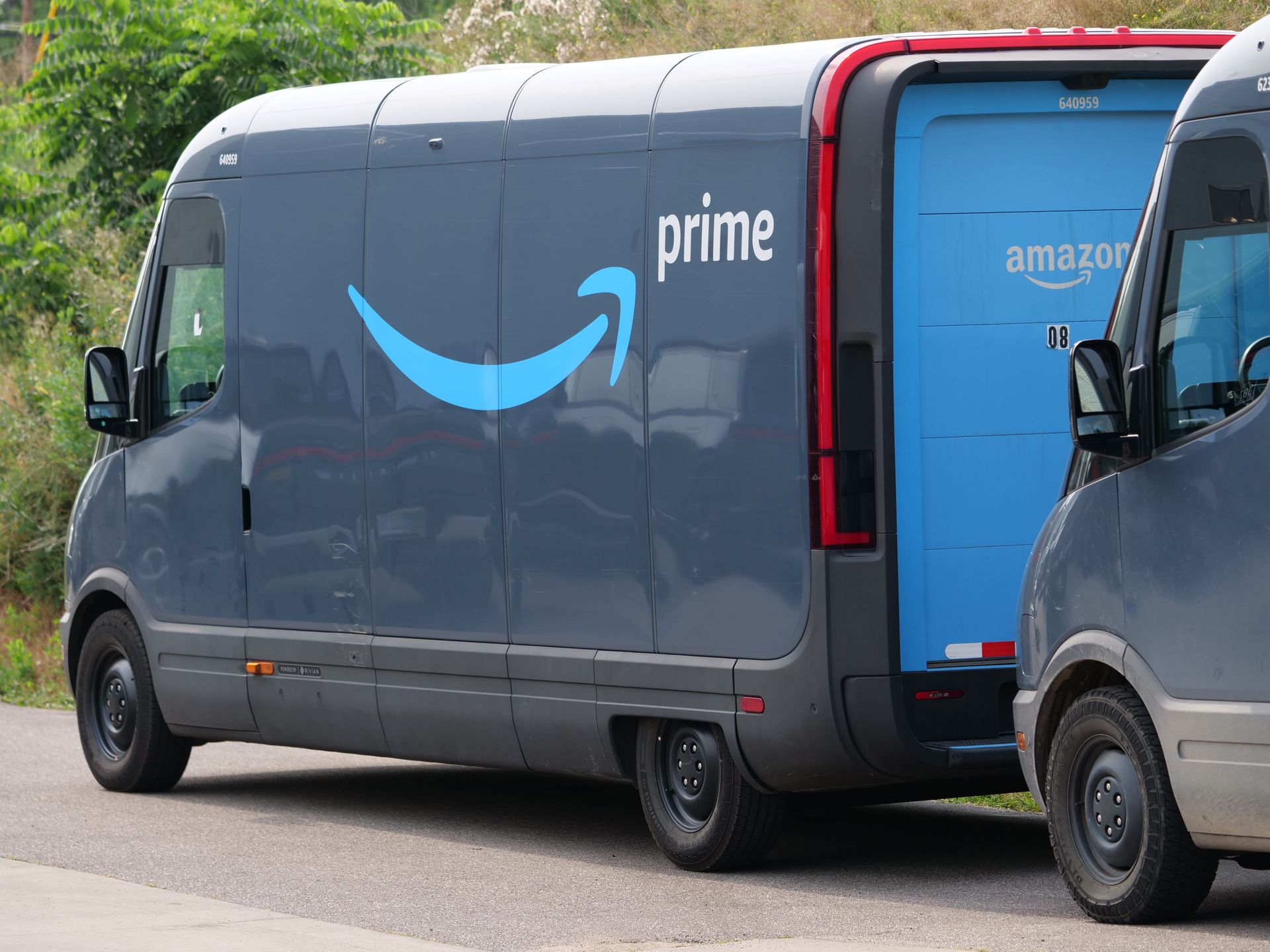
Amazon delivery vans are everywhere — often driving fast, on tight schedules, and making frequent stops in neighborhoods and parking lots. When one causes a crash, figuring out who's actually responsible can be more complicated than a typical accident. Amazon uses several different delivery models, each with its own insurance and liability structure. Here's what to do, and what makes these cases different. 1. Get Medical Attention Call 911 and get evaluated, even if you feel fine at first. Delivery vans are large, and injuries from a collision with one can be more serious than they initially seem. 2. Make Sure a Police Report Is Filed Get an officer to the scene and make sure the report captures the van's markings, license plate, and any identifying numbers, along with the driver's name and license information. This report (South Carolina's FR-10/FR-309) will be a key starting point for figuring out which company and insurance policy is involved. 3. Document the Vehicle and Scene Thoroughly Photograph the van from multiple angles, including any Amazon branding, the license plate, and, if visible, any company name other than "Amazon" printed on the vehicle — many vans are operated by a third-party delivery contractor rather than Amazon directly. Photograph the damage, the scene, and your injuries, and get contact information for any witnesses. 4. Don't Give a Statement Before Talking to an Attorney Amazon and its delivery contractors have significant resources and experienced claims teams, and they frequently dispute or minimize liability. Don't give a recorded statement or sign anything for Amazon, a delivery contractor, or their insurer before understanding your rights from a South Carolina personal injury attorney . 5. Notify Your Own Insurance Company Because coverage in these cases can be disputed or limited depending on exactly how the driver was working at the time (more on that below), it's important to put your own insurer on notice in case an uninsured/underinsured motorist claim becomes necessary. 6. Move Quickly to Preserve Evidence Amazon delivery vehicles are often equipped with in-cab cameras, GPS tracking, and app data showing the driver's route, delivery timestamps, and whether they were logged in to make deliveries at the time of the crash. This data can be critical to proving fault and identifying which insurance policy applies — but it can also be deleted or overwritten. An experienced accident attorney can send a preservation letter quickly to prevent that from happening. Why These Cases Are More Complicated: Three Different Delivery Models Amazon-branded vans operated by a Delivery Service Partner (DSP): Most Amazon vans on the road are actually operated by independent, third-party companies called DSPs, which employ the drivers and carry their own commercial insurance — typically with a policy limit of about $1 million. Amazon sets the routes, schedules, and performance standards these drivers must meet, even though the DSP is technically the employer. Because Amazon exercises significant control over how DSP drivers do their jobs, it may also share liability in some cases, particularly when a DSP's insurance isn't enough to cover a serious injury. Amazon Flex drivers: These drivers use their own personal vehicles and are classified as independent contractors. Amazon provides commercial coverage — reportedly up to $1 million in liability coverage — but only while the driver is logged into the Flex app and actively working a delivery block. If the driver was between deliveries with the app open but not yet assigned a load, coverage can become disputed, with the driver's personal insurer and Amazon's insurer each pointing to the other. Whether full coverage applies often comes down to app and GPS data showing exactly what the driver was doing at the moment of the crash. Amazon-operated trucks: Larger box trucks and tractor-trailers are sometimes operated directly by Amazon Logistics, which carries its own commercial insurance. Because Amazon frequently structures its delivery operations to push liability onto DSPs and independent contractors, identifying every company and insurance policy that may be responsible is often the most important part of one of these cases. South Carolina's Comparative Negligence Rule South Carolina follows a modified comparative negligence rule with a 51% bar . As long as you're found less than 51% at fault for the crash, you can recover damages, reduced by your percentage of fault. Companies with experienced claims teams — including Amazon and its contractors — will look for any opportunity to shift blame onto you, which makes having your own advocate important. Don't Wait to Get Help South Carolina generally allows three years from the date of the crash to file a personal injury lawsuit . Given how quickly delivery van telematics and camera footage can be deleted, and how many companies may be involved, it's best to get an attorney investigating as soon as possible. Talk to a South Carolina Delivery Accident Attorney If you've been injured by an Amazon delivery driver, you shouldn't have to untangle Amazon's delivery contractor structure on your own. At Sharpe & Leventis, LLC , we investigate delivery vehicle accidents throughout South Carolina, identify every company and policy that may be responsible, and fight for the full compensation you deserve. Sharpe & Leventis, LLC 3710 Landmark Drive, Suite 403 Columbia, SC 29204 📞 (803) 830-6296 🌐 www.sharpeleventis.com Contact us today for a free, no-obligation consultation.