
When You Suspect a Loved One Is Not Safe
Placing a parent, spouse, or other loved one in a nursing home means trusting other people with their health, safety, and daily care. When unexplained injuries, sudden changes, or repeated problems begin to appear, families may be left wondering whether something more serious is happening.
Sharpe & Leventis, LLC represents residents and families dealing with suspected nursing home abuse and neglect in Columbia and surrounding South Carolina communities.
We look beyond the facility’s explanation to examine the records, care provided, people involved, and circumstances surrounding the injury or decline.
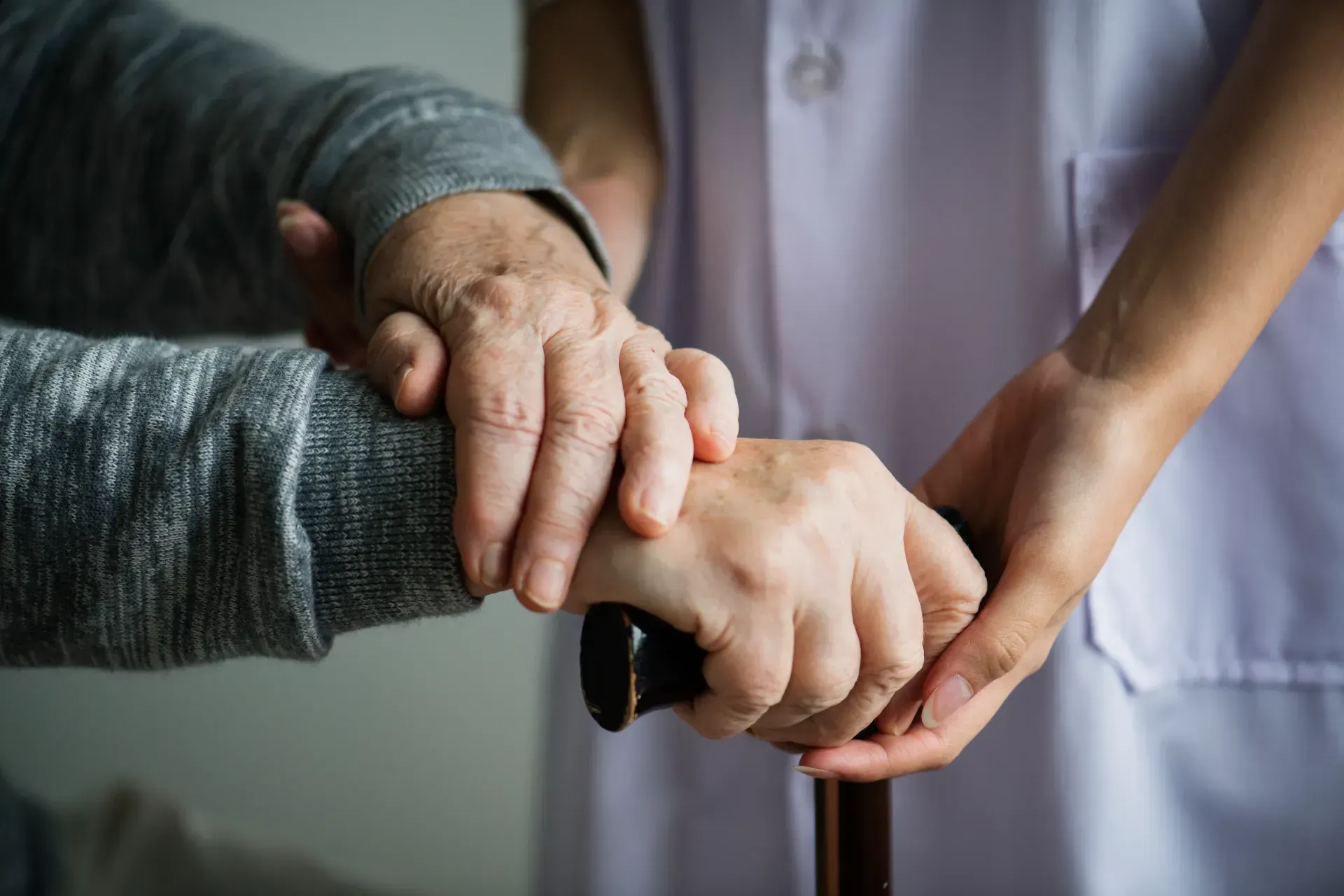
What Is Nursing Home Abuse or Neglect in South Carolina?
South Carolina law protects vulnerable adults from abuse, neglect, and exploitation.
Under the state’s Omnibus Adult Protection Act, neglect generally involves a caregiver’s failure to provide care, goods, or services necessary to protect a vulnerable adult’s health or safety when that failure causes—or creates a substantial risk of—physical or mental harm.
The law specifically references needs such as food, medicine, shelter, supervision, and medical services.
Abuse
Abuse may involve intentional physical or psychological harm, unreasonable confinement, sexual abuse, or other mistreatment.
Neglect
Neglect often involves what a facility or caregiver failed to do, such as failing to provide appropriate supervision, medical attention, nutrition, hygiene, or necessary care.
Exploitation
Exploitation can involve the improper or unauthorized use of a vulnerable adult’s money, property, assets, or authority granted through instruments such as a power of attorney.
Warning Signs of Nursing Home Abuse and Neglect
One unusual event does not necessarily mean abuse occurred. Patterns, unexplained changes, and injuries that do not match the explanation provided may deserve a closer look.
Unexplained Injuries or Physical Decline
- Bruises, cuts, or burns
- Broken bones
- Repeated falls
- Bedsores or pressure injuries
- Head injuries
- Unexplained pain
- Significant weight loss
- Dehydration
- Infections
- Declining mobility
Problems With Care
- Missed or incorrect medications
- Poor hygiene
- Soiled clothing or bedding
- Delayed medical treatment
- Lack of supervision
- Residents being left unattended
- Unsafe transfers
- Wandering or elopement
- Repeated hospitalizations
- Unexplained changes in a care plan
Behavioral or Financial Red Flags
- Fear around a particular caregiver
- Withdrawal or unusual silence
- Sudden anxiety or agitation
- Unexplained changes in behavior
- Missing personal belongings
- Suspicious withdrawals or transactions
- Sudden changes involving financial documents
Common Nursing Home Abuse and Neglect Cases
Nursing home claims can arise from many different failures in care. Sharpe & Leventis can evaluate cases involving:
Falls and Fall-Related Injuries
Residents at known risk of falling may require supervision, assistance, or other precautions based on their condition.
Bedsores and Pressure Injuries
Serious pressure wounds may raise questions about repositioning, skin monitoring, nutrition, mobility, and wound care.
Medication Errors
Missed doses, incorrect medications, improper dosages, or medication used inappropriately can cause serious harm.
Malnutrition and Dehydration
Residents who cannot independently eat or drink may depend heavily on staff for monitoring and assistance.
Failure to Provide Medical Care
Delayed recognition or treatment of infection, injury, or a worsening health condition can lead to serious complications.
Physical or Sexual Abuse
Residents may be harmed by employees, caregivers, visitors, or even other residents when appropriate protections are not in place.
Negligent Supervision
Inadequate supervision can contribute to falls, wandering, elopement, injuries, or resident-on-resident incidents.
Financial Exploitation
A vulnerable resident’s money, property, or personal information may be misused or taken without authorization.
What Should You Do If You Suspect Nursing Home Abuse?
If something does not seem right, you do not need to wait until you know exactly what happened before asking questions.

01
Make Sure Your Loved One Is Safe
If there is an immediate medical concern, seek appropriate medical attention. Serious or immediate threats may also warrant contacting law enforcement.
02
Document What You See
Photograph visible injuries or concerning conditions when appropriate. Write down dates, conversations, names, and explanations given by facility staff.
03
Keep Relevant Records
Preserve medical records you already have, bills, correspondence, photographs, care-plan information, and other documents concerning the resident’s condition.
04
Ask Questions
Find out when the incident occurred, who was present, what care was provided, and whether an incident report was prepared.
05
Report Serious Concerns
South Carolina’s Long Term Care Ombudsman Program addresses complaints involving long-term care residents, including concerns involving abuse, neglect, exploitation, resident rights, and quality of care.
State law assigns the Ombudsman Program responsibility for investigating certain noncriminal reports occurring in long-term care facilities.
06
Consider an Independent Legal Review
The nursing home’s internal explanation may not tell the entire story. A lawyer can evaluate what records and additional evidence may be necessary to determine what occurred.
Nursing Home Residents Have Legal Rights
Federal nursing-home regulations provide residents in covered facilities with protections that include the right to be free from abuse, neglect, exploitation, misappropriation of property, involuntary seclusion, and improper restraints.
South Carolina law also provides a system for protecting vulnerable adults and investigating allegations involving abuse, neglect, and exploitation.
A facility’s responsibility extends beyond simply providing a room. The care being provided—and whether the resident is being kept reasonably safe—matters.
Who May Be Responsible for Nursing Home Abuse or Neglect?
Responsibility depends on how the harm occurred. Potentially responsible parties may include:
The Nursing Home or Facility Operator
The facility may face liability for failures involving care, staffing, policies, supervision, training, or facility operations depending on the circumstances.
Employees or Caregivers
Nurses, aides, administrators, and other employees may be involved depending on what happened.
Medical Providers
Some claims involve negligent medical treatment provided by physicians, nurses, or other licensed healthcare professionals.
Contractors or Outside Providers
Third-party staffing companies, transportation providers, pharmacies, or other contractors may become relevant in some cases.
Other Parties
Ownership and management structures can be complicated. A thorough investigation may be necessary to determine which individuals or entities actually controlled the care or decisions involved.
How Sharpe & Leventis Handles Nursing Home Abuse Cases
We Listen to the Family
Families often recognize changes before anyone else. We begin by understanding what you saw, what you were told, and why you became concerned.
We Examine the Records
We identify the records and evidence that may help explain what happened and what care should have been provided.
We Look Beyond the Immediate Injury
A fall, infection, bedsore, or hospitalization may be the final event in a longer pattern of missed care.
We Identify Who May Be Responsible
We examine the individuals, facility, management, healthcare providers, and other entities that may have contributed to the harm.
We Document the Impact
We evaluate medical treatment, pain, disability, additional care needs, and other consequences related to the abuse or neglect.
We Prepare the Claim Around the Evidence
If the evidence supports legal action, we build the case around the facts rather than assumptions about what occurred.
What Compensation May Be Available?
The damages available depend on the type of abuse or neglect and the harm it caused. A claim may involve compensation for:
- Medical expenses
- Hospitalization
- Additional treatment or rehabilitation
- Pain and suffering
- Physical impairment
- Emotional harm
- Costs associated with additional care
- Property or financial losses in exploitation cases
- Other damages related to the resident’s injuries
When abuse or neglect contributes to a resident’s death, the family may also have options through South Carolina wrongful death or survival claims.
How Long Do You Have to File a Nursing Home Abuse Claim in South Carolina?
Many South Carolina actions involving personal injury or wrongful death are generally subject to a three-year limitations period.
However, some nursing-home cases may involve negligent medical treatment by a licensed healthcare provider. Those claims can fall under South Carolina’s separate medical-malpractice rules, which include their own limitation and procedural requirements.
The correct deadline may therefore depend on:
- What happened
- Who caused the harm
- Whether medical treatment is involved
- When the injury was discovered
- Which legal claims apply
Frequently Asked Questions
Does a fall automatically mean the nursing home was negligent?
No. Falls can happen even when appropriate precautions are taken. The important questions are whether the resident was known to be at risk, what precautions were required, whether those precautions were followed, and what actually caused the fall.
Are bedsores always evidence of nursing home neglect?
Not automatically. A pressure injury can develop even in medically complicated situations. But serious or worsening bedsores may warrant investigation into repositioning, skin care, nutrition, mobility, monitoring, and treatment.
What if the nursing home says the injury was unavoidable?
An injury being described as unavoidable does not necessarily end the inquiry. Medical records, assessments, care plans, staff notes, and other evidence may show whether reasonable precautions were taken.
Can a resident with dementia still be the victim of abuse or neglect?
Yes. Cognitive impairment does not eliminate a resident’s right to appropriate care and protection. In fact, residents who have difficulty communicating or protecting themselves may be particularly vulnerable.
What if my loved one signed an arbitration agreement when entering the nursing home?
Do not assume that an arbitration provision means there are no legal options. Whether an agreement applies or can be enforced depends on its language and the circumstances surrounding how it was signed. An attorney can review the documents.
Contact Our Columbia Law Firm for a Free Consultation Today.
Tell
Sharpe & Leventis, LLC what you have seen and what the facility has told you. We can review the circumstances, answer your questions, and help determine whether the situation deserves further investigation.