
Under 21? The .02 Rule Changes the Case.
South Carolina can suspend the driving privilege of a person under 21 who drives with an alcohol concentration of .02% or more. Refusing the requested chemical test can trigger a separate suspension as well. But a .02 result does not automatically mean the person has been convicted of DUI.
Sharpe & Leventis, LLC represents young drivers, college students, and families dealing with underage alcohol-related driving allegations in Columbia and across the Midlands.
We identify which law is actually being used, address the license deadline, and examine the stop, testing, video, and evidence behind the allegation.
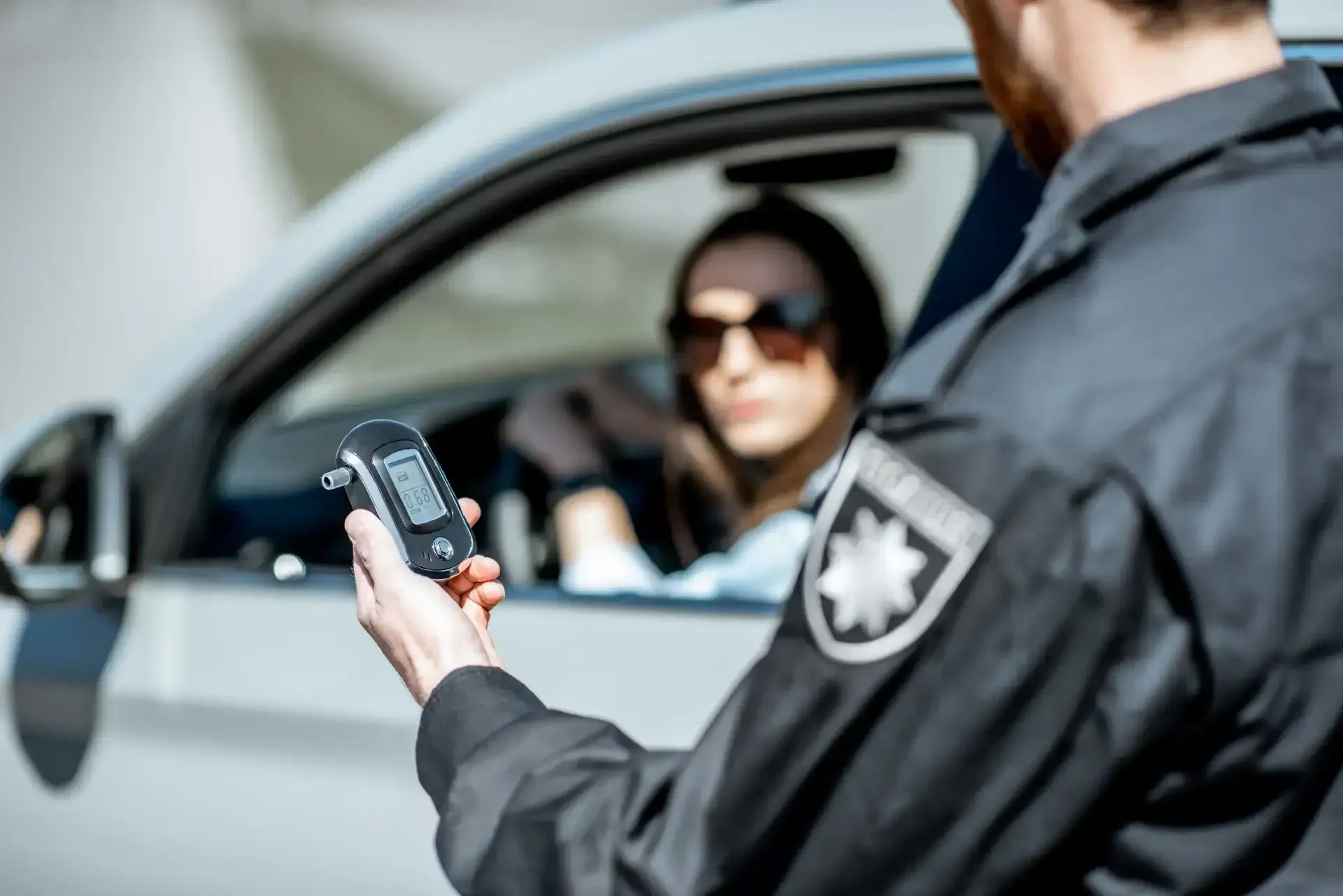
What Is South Carolina’s Under-21 “Zero Tolerance” Law?
South Carolina Code § 56-1-286 applies to drivers under age 21. Under the current statute, the Department of Motor Vehicles must suspend—or deny issuance of—the driving privilege of an under-21 driver who operates a motor vehicle with an alcohol concentration of .02% or higher.
The law also allows an officer to order alcohol testing when the officer has the required reasonable suspicion that a person under 21 consumed alcohol and drove a motor vehicle.
.02% Is the Threshold—not “Any Detectable Alcohol”
South Carolina’s statute uses
.02%, not simply “any detectable amount of alcohol.” That makes the old page’s description of zero tolerance as driving with “any detectable amount” too broad.
Is an Underage DUI the Same as a Zero-Tolerance Suspension?
No.
Zero-Tolerance Case Under § 56-1-286
This process centers on the driver’s privilege to drive.
If an officer initiates suspension proceedings under § 56-1-286, current law says the officer has elected that route and is prohibited from also prosecuting the driver under South Carolina’s ordinary DUI or DUAC statutes for the
same incident.
DUI Under § 56-5-2930
A driver under 21 can still potentially face South Carolina’s ordinary DUI law when the State alleges that alcohol, drugs, or a combination of substances
materially and appreciably impaired the person’s ability to drive. The ordinary DUI statute is impairment-based; it is not limited to drivers age 21 and older.
DUAC Under § 56-5-2933
South Carolina separately prohibits driving with an alcohol concentration of .08% or higher under its Driving With an Unlawful Alcohol Concentration statute.
The first question therefore should be:
What exactly was the driver charged with—or suspended for?
That answer determines the process that follows.
What Happens If an Underage Driver Tests at .02% or Higher?
For a person with no qualifying prior history under the zero-tolerance statute, an alcohol concentration of .02% or more currently results in a three-month driver's-license suspension or denial of issuance.
If the person has a qualifying DUI-related conviction or suspension during the preceding
three years, the zero-tolerance suspension can increase to
six months
What Happens If an Underage Driver Refuses the Alcohol Test?
A refusal creates its own driver's-license consequences. Under current § 56-1-286:
- A first qualifying refusal results in a six-month suspension or denial
- A qualifying prior DUI-related conviction or suspension during the preceding three years can increase the period to one year
Before testing, the statute also requires the person to be advised of several rights and consequences, including the right to refuse, the resulting suspension, the right to an independent test, and the right to request a hearing.
A refusal should therefore be evaluated as more than simply “the driver would not blow.” The warnings, detention, request, video, and testing procedure can all matter.
There Is a 30-Day Deadline to Challenge the Suspension
A driver suspended under South Carolina’s under-21 alcohol law generally has 30 days from issuance of the suspension notice to request a contested case hearing before the Office of Motor Vehicle Hearings.
At that hearing, issues can include whether:
- The driver was lawfully arrested or detained
- The required rights were given
- The driver actually refused testing
- A test showed .02% or higher
- The test operator was qualified
- Required procedures were followed
- The testing machine operated properly
The DMV and arresting officer carry the burden of proof at the contested case hearing.
Can You Drive While the Underage Suspension Is Being Challenged?
Current South Carolina law provides mechanisms involving a temporary alcohol license and the Ignition Interlock Device Program when a timely contested case hearing is requested. The exact requirements should be reviewed based on the notice issued and the driver’s circumstances.
The statute was substantially rewritten effective in 2024, so older online explanations of hardship licenses and zero-tolerance suspensions may no longer reflect the current process.
For a young driver who needs transportation to:
- School
- College
- Work
- Internships
- Medical appointments
- Other obligations
Does an Underage Driver Have to Complete ADSAP?
A person suspended under § 56-1-286 may be required to enroll in the Alcohol and Drug Safety Action Program (ADSAP).
Current law generally requires enrollment within 30 days if the person does not request a hearing, or within 30 days after notice that the suspension was upheld if a hearing was requested. Attendance or completion requirements also affect restoration of driving privileges.
What If the Driver’s BAC Was .08% or Higher?
South Carolina separately makes it unlawful to drive with an alcohol concentration of .08% or higher under the DUAC statute. An ordinary DUI can also be based on evidence that the driver’s faculties were materially and appreciably impaired.
However, § 56-1-286 contains an important election rule: once an officer initiates the zero-tolerance suspension process under that statute, the officer cannot also prosecute DUI or DUAC arising from that same incident.
That makes it important to review: the citation, suspension notice, testing paperwork, and exact statute identified in the case.
What Evidence Matters in an Underage Alcohol-Driving Case?
A .02 number should not cause the rest of the investigation to disappear. Depending on which statute is involved, Sharpe & Leventis may examine:
The Traffic Stop or Detention
Why did the officer encounter the driver? The zero-tolerance statute requires the applicable legal basis for detention and testing.
The Officer’s Basis for Suspecting Alcohol
The defense may examine what the officer claims to have observed, including statements, odor, driving behavior, containers, appearance, or other circumstances.
The Breath or Blood Test
Questions may involve:
- Who administered the test
- Whether that person was qualified
- Whether statutory procedures were followed
- Whether the machine was operating properly
- Timing
- The reported alcohol concentration
Video
Video can show the traffic encounter, instructions, statements, testing procedure, and whether the written account matches what actually occurred.
Independent Testing
South Carolina law gives an underage driver tested under § 56-1-286 the right to obtain an additional test from a qualified person at the driver’s expense, and law enforcement has statutory obligations concerning assistance with that request.
What If the Driver Is 18, 19, or 20?
They are still covered by South Carolina’s under-21 alcohol-driving statute. That is important because “underage DUI” does not necessarily mean a juvenile case.
An 18-, 19-, or 20-year-old may be:
- Living independently
- Attending USC or another college
- Working full time
- Driving on an out-of-state license
- Facing ordinary adult-court proceedings if charged with DUI
Underage DUI and College Students in Columbia
For a college student, losing the ability to drive can affect daily life immediately. A case may also raise questions about:
- Getting to class or work
- Internship obligations
- Transportation home
- Campus-related proceedings
- Professional programs
- Out-of-state licenses
- What appears on a driving or criminal record
Students at the University of South Carolina and other Columbia-area schools should also understand that an administrative zero-tolerance suspension and a criminal DUI charge are not interchangeable terms.
How Sharpe & Leventis Approaches an Underage DUI Case
01
We Identify Which Law Applies
We determine whether the case involves § 56-1-286 zero tolerance, ordinary DUI, DUAC, or another alcohol-related allegation.
02
We Check the License Deadline
A 30-day hearing period can make the administrative side of the case time-sensitive.
03
We Review Why the Driver Was Stopped or Detained
The legal basis for the encounter matters.
04
We Examine the Test
We review the reported alcohol concentration, warnings, operator, machine, procedures, and other available testing evidence.
05
We Review the Video Against the Paperwork
A written report is one account of the encounter. Video can provide additional context.
06
We Address the Case in Front of the Driver
For a young person facing this for the first time, understanding the difference between a license suspension and a criminal charge can prevent bad assumptions and missed deadlines.
Frequently Asked Questions
What is the legal BAC limit for drivers under 21 in South Carolina?
South Carolina’s zero-tolerance statute authorizes suspension of an under-21 driver’s privilege at an alcohol concentration of .02% or higher.
Is .02 considered a criminal DUI in South Carolina?
Not automatically. Section 56-1-286 creates a zero-tolerance driver's-license suspension process. DUI under § 56-5-2930 and DUAC under § 56-5-2933 are separate offenses.
Can someone under 21 get a regular DUI?
Yes. South Carolina’s ordinary DUI statute applies when the State alleges a person drove while materially and appreciably impaired by alcohol, drugs, or a combination of substances. Age under 21 does not prevent application of that statute.
How long is a first zero-tolerance suspension?
For a driver without the qualifying prior history identified by the statute, testing at .02% or higher generally results in a three-month suspension or denial of driving privileges.
What happens if an underage driver refuses the breath test?
A first qualifying refusal under § 56-1-286 currently results in a six-month suspension or denial. Longer periods can apply with specified prior history.
Contact Our Columbia Law Firm for a Free Consultation Today.
At .02, the license clock can already be running.
Sharpe & Leventis, LLC gets to the statute, the testing, and the deadline before assumptions become consequences.