
Injured on Unsafe Property? Understand Your Options.
Sharpe & Leventis, LLC represents people injured by unsafe property conditions in Columbia, SC. A premises liability lawyer investigates who controlled the property, whether a legal duty was breached, and how that failure caused the injury. The firm can explain whether the facts support a claim.
An unsafe staircase, falling display, or other property hazard can leave you facing treatment, missed work, and unexpected expenses. Pat Sharpe and Joe Leventis bring local knowledge, courtroom experience, and direct partner involvement to the decisions ahead.
What Makes a Premises Liability Claim in South Carolina?
A South Carolina premises liability claim generally requires a legal duty, a failure to meet that duty, and an injury caused by that failure. Getting hurt on another person’s property does not automatically establish liability.
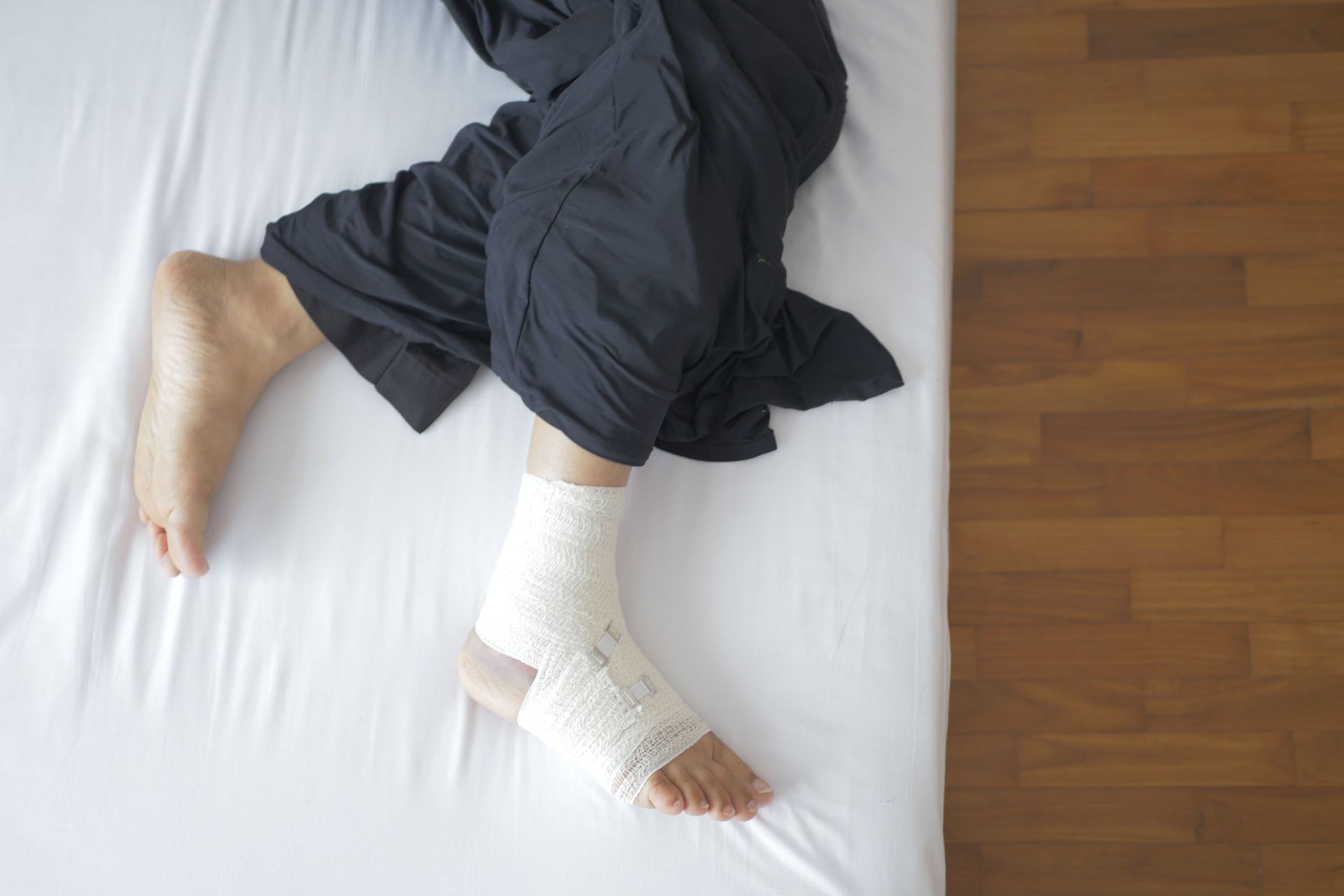
01
The Property Owner or Occupier Owed You a Duty
The duty depends partly on why you were on the property. Businesses generally owe customers reasonable care for their safety. Different standards can apply to social guests, trespassers, and children.
02
The Responsible Party Failed to Address a Hazard
Liability may turn on whether a responsible party created a dangerous condition or knew, or should have known, about it. For a store-floor spill, South Carolina generally requires proof that the business or its employees placed the substance there or had actual or constructive notice and failed to remedy it.
Actual notice means the business knew about the condition. Constructive notice may arise when a hazard existed long enough that reasonable care should have uncovered it. Inspection records, earlier complaints, and surveillance footage can help answer those questions.
03
The Failure Caused Your Injury and Losses
The evidence must connect the breach of duty to your injury. Medical records, photographs, witness accounts, and employment records can help establish what happened and document the resulting losses..
01
Slip, Trip, and Fall Accidents
Spills, damaged flooring, and obstructed walkways can cause serious falls. Slip and fall claims are one part of premises liability, with particular questions about the source of the hazard and notice. Learn more about Slip and Fall Accidents and the evidence these claims require.
02
Falling Merchandise and Unsecured Fixtures
Falling stock, unstable displays, and unsecured fixtures can injure visitors without a fall occurring. The investigation may focus on how items were installed, stacked, inspected, or handled.
03
Unsafe Stairs, Railings, and Structures
A failed railing, damaged balcony, or deteriorating stairway can cause substantial harm. Repair requests, maintenance history, and evidence of who controlled the structure may be important.
04
Swimming Pool and Common-Area Hazards
Pool access, damaged equipment, exposed wiring, and unsafe shared spaces can raise property-safety questions. Responsibility depends on the condition involved and the duties owed under the circumstances.
05
Negligent Security
An assault on business premises may raise a negligent-security claim when foreseeable criminal activity called for reasonable protective measures. South Carolina courts weigh foreseeability against the burden of precautions. A crime occurring on the property alone does not establish the business’s liability.
What Types of Injuries Can Involve Premises Liability?
Premises liability covers several kinds of property-related injuries, including falls, falling objects, structural failures, and some incidents involving inadequate security. The legal issues depend on the hazard, the property, and the circumstances.

What Should You Do After an Injury on Someone Else’s Property?
Get medical attention, report the incident, and preserve available evidence after a property-related injury. Your health comes first; collect information only when it is safe to do so.
Surveillance recordings may be overwritten. A premises liability attorney can assess what records should be requested and preserved.
Photograph the hazard, surrounding area, lighting, and any warnings before conditions change.
Notify the owner, manager, or business and request an incident report. Keep your account factual.
Save contact details for people who saw the incident or knew about the condition beforehand.
Retain medical bills, receipts, damaged belongings, and communications about the incident.
Surveillance recordings may be overwritten. A premises liability attorney can assess what records should be requested and preserved.
Who May Be Responsible for an Unsafe Property Injury?

Responsibility may involve an owner, business, landlord, manager, or contractor, depending on control of the property and each party’s conduct. More than one party may need to be investigated.
- Owners and occupiers: Who controlled the area and had authority to correct the condition?
- Businesses and tenants: Did a store, restaurant, or other tenant create or control the hazard?
- Landlords and managers: Who was responsible for shared areas, maintenance, or reported repairs?
- Contractors: Did cleaning, installation, repair, or other work contribute to the injury?
Sharpe & Leventis reviews the available facts and relevant agreements to identify the parties whose responsibilities relate to the injury.
How Sharpe & Leventis Handles a Premises Liability Claim
Sharpe & Leventis investigates the property condition, evaluates liability, and documents your losses before pursuing an appropriate resolution. The firm’s partners remain involved and explain the choices that affect your case.
Present the supporting facts, evaluate settlement proposals, and prepare for litigation when the circumstances warrant it.
Establish where and how the injury occurred and what information is available.
Examine property records, maintenance responsibilities, and evidence that a hazard was created or reported.
Seek relevant photographs, video, incident records, and witness accounts. Consider expert input when the condition requires technical analysis.
Review medical treatment, time away from work, ongoing limitations, and future needs supported by the evidence.
Present the supporting facts, evaluate settlement proposals, and prepare for litigation when the circumstances warrant it.
What Compensation May Be Available?
A premises liability claim may seek compensation for financial losses and the personal effects of an injury. Available damages depend on proof of liability and the harm caused.
- Medical treatment, rehabilitation, medication, and related expenses
- Future medical care supported by the evidence
- Lost income and reduced ability to earn a living
- Physical pain, emotional distress, and loss of enjoyment of life
- Lasting impairment and its effect on everyday activities
There is no standard settlement amount. Sharpe & Leventis evaluates the evidence, injury-related losses, disputed fault, and available coverage when assessing a claim.

How Long Do You Have to File a Premises Liability Lawsuit?
Many South Carolina premises liability lawsuits are subject to a three-year deadline. The discovery rule generally measures that period from when the injured person knew, or reasonably should have known, that a cause of action existed.
Government claims have different rules. The South Carolina Tort Claims Act generally allows two years, or three years when a qualifying claim is first filed under the Act.
Sharpe & Leventis can check the applicable deadline. Reporting an incident or negotiating with an insurer does not, by itself, satisfy the requirement to file suit..
Frequently Asked Questions
Is premises liability the same as slip and fall?
Slip and fall is one type of premises liability claim. Premises liability also addresses other injuries connected to unsafe property conditions, such as falling merchandise or a failed railing.
Can I have a claim if the hazard was obvious?
Possibly. An open and obvious danger can limit a property possessor’s duty, but South Carolina law recognizes an exception when the possessor should anticipate harm despite the danger being known or obvious. Visibility, warnings, and the circumstances of encountering the hazard can matter.
What if the property owner says I was partly responsible?
Sharing responsibility does not automatically defeat a South Carolina negligence claim. Comparative negligence can reduce compensation or, when the injured person’s share of fault is too great, prevent recovery. Sharpe & Leventis can assess the evidence behind a property owner’s allegations of fault.
Contact Our Columbia Law Firm for a Free Consultation Today.
If unsafe property caused your injury, contact
Sharpe & Leventis, LLC in Columbia, SC. The firm can review what happened, explain your options, and discuss next steps during a free consultation.