
Legal Help After an Attack on Someone Else’s Property
A negligent security claim may arise when a business or another responsible party fails to meet a legal duty to provide reasonable security, contributing to someone’s injuries during an attack.
After an assault, robbery, or shooting, you may be dealing with medical treatment, missed work, and concerns about your safety. Understanding whether a security failure played a role can be difficult without access to the property’s records.
If you need a negligent security lawyer in Columbia, SC,
Sharpe & Leventis, LLC can review what happened, explain the applicable duties, and help you understand your options.
What Makes a Negligent Security Claim in South Carolina?
A negligent security claim requires evidence of a legal duty, a failure to meet that duty, and a connection between that failure and the injuries suffered. An attack on someone’s property does not automatically establish liability.
For businesses serving customers and guests, South Carolina courts consider the foreseeability of criminal harm alongside the burden of taking security precautions. The appropriate measures depend on the circumstances.
A claim generally requires proof of:
- Duty: The defendant owed the injured person a legally recognized duty.
- Breach: The defendant failed to exercise the care that duty required.
- Causation: The failure contributed to the attack or resulting injuries.
- Damages: The injured person suffered compensable losses.

01
Apartment Complexes
Apartment claims require careful attention to the landlord’s actual duties. South Carolina generally does not impose a duty on landlords to protect tenants from third-party crime simply because of the rental relationship.
However, a landlord that undertakes to provide security may assume a duty within the scope of that undertaking. Lease documents, security representations, resident notices, and details about any courtesy-officer program may therefore be important evidence.
02
Bars and Nightlife Venues
Security questions at bars may involve reported threats, an escalating confrontation, or how staff responded before an attack. An investigation can examine incident reports, employee observations, security assignments, and available footage.
03
Parking Lots and Garages
An attack in a parking area calls for a close look at who operated and controlled that space. Relevant evidence may include access points, lighting conditions, previous reports, maintenance records, and any patrol arrangements.
04
Hotels and Motels
Hotel security investigations may involve room access, key handling, exterior entrances, guest complaints, or responses to reported threats. The question is whether a failure to take reasonable precautions contributed to the guest’s injuries.
Where Can Negligent Security Claims Arise?
Negligent security concerns can arise at residential and commercial properties, although the legal duties differ by setting. Sharpe & Leventis examines the property’s use, the injured person’s relationship to it, and the security responsibilities involved.
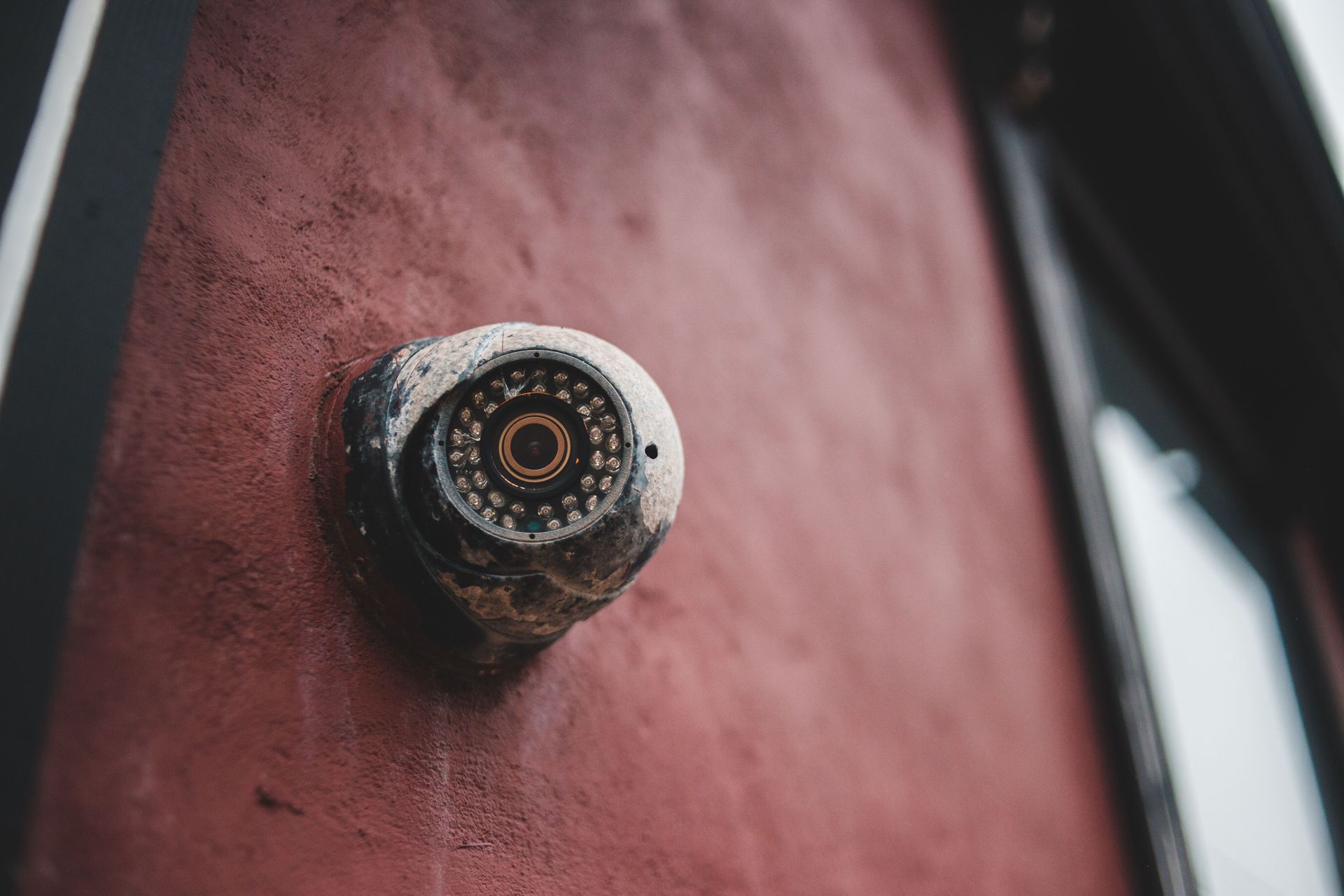
Attacks in Five Points and Near the University of South Carolina

For an incident in Five Points or near USC, the precise location and responsible parties matter. A neighborhood name alone does not establish who owed a duty or whether security was inadequate.
Five Points includes restaurants, shops, and gathering places near the University of South Carolina. Its mix of businesses and surrounding residential areas makes identifying the exact premises an important starting point.
Sharpe & Leventis can examine questions such as:
- Did the incident occur inside a business, in its parking area, or on a public sidewalk?
- Who controlled the entrance, walkway, or shared space?
- Had someone reported threats or security concerns?
- Was the property privately operated or university-controlled?
An off-campus address near USC does not, by itself, establish university responsibility.
What Security Problems Should Be Investigated?
The strongest evidence connects a specific security failure to the harm suffered. A general statement that a property “needed better security” leaves important questions unanswered.
Depending on the circumstances, an investigation may examine:
- Reported threats or escalating behavior that went unaddressed.
- Exterior doors, gates, or access systems that were not functioning.
- Complaints about unauthorized entry.
- Security personnel’s assigned duties and response.
- Lighting problems and related maintenance requests.
- Differences between security services described to residents or guests and those actually provided.
Known threats can be especially important when evaluating whether an attack was foreseeable and whether reasonable precautions were taken. South Carolina courts assess those questions using the evidence surrounding the particular incident.

What Should You Do After an Assault or Other Attack?
Your immediate safety and medical needs come first. Once you are safe, preserving information can help an attorney evaluate what happened.
Early review allows time to identify relevant records and request preservation of available footage.
Call 911 if you are in immediate danger or need emergency assistance. Tell your providers about your injuries and symptoms, including any emotional effects.
Keep the police report number and any written report submitted to the business or property manager.
Preserve photographs, messages, receipts, booking confirmations, and communications about security concerns.
Keep names and contact details if you can obtain them safely.
Early review allows time to identify relevant records and request preservation of available footage.
How Sharpe & Leventis Investigates Negligent Security Claims
A thorough investigation looks at responsibility, warning signs, security measures, and the connection to your injuries. Sharpe & Leventis approaches this work with direct partner involvement and straightforward communication.

The investigation examines what was known before the attack, what precautions were taken, and how the alleged failure contributed to the injury. A qualified expert may be useful when security practices require specialized analysis.
Medical records, treatment recommendations, employment information, and other evidence help establish the losses involved. That work supports an informed assessment of settlement options and whether litigation is appropriate.
Relevant materials may include surveillance footage, incident reports, access records, maintenance requests, employee communications, and witness accounts. The firm can identify what should be requested and preserved.
The review starts with ownership, management, business operations, and any security contracts. Different parties may control different parts of a property or perform different security functions.
What Compensation May Be Available?
A negligent security claim may seek compensation for losses caused by the incident when liability can be established. The amount depends on the injuries, their effects, and the supporting evidence.
Potential losses include:
- Emergency care, hospitalization, and other medical expenses.
- Future treatment and rehabilitation.
- Counseling and other necessary treatment related to the attack.
- Lost wages and reduced earning capacity.
- Physical pain, emotional distress, and loss of enjoyment of life.
- Permanent impairment or disfigurement.


How Long Do You Have to File a Negligent Security Lawsuit?
South Carolina generally provides three years for negligence-based personal injury lawsuits, subject to the discovery rule and applicable exceptions. The deadline generally runs from when the person knew, or reasonably should have known, that a cause of action existed.
Claims involving government entities can follow different procedures and shorter deadlines. An incident on university-controlled property may therefore require a different analysis from one at a private apartment or business near campus.
Frequently Asked Questions
Does every business have to employ security guards?
No. South Carolina does not impose one security requirement on every business. Whether guards or other precautions were reasonably necessary depends on the foreseeable risk and the burden of those measures.
Can I speak with a lawyer while the criminal investigation is ongoing?
Yes. Sharpe & Leventis can review a potential civil claim while authorities investigate the attack. Bring any available report number and correspondence. An attorney can assess civil deadlines and preservation needs while explaining how the proceedings may interact.
What if there is no surveillance video?
Other evidence may still help establish what happened. Witness accounts, photographs, medical records, access logs, messages, and incident reports can contribute to the investigation. Tell the attorney what information you have, even if it seems incomplete.
Contact Our Columbia Law Firm for a Free Consultation Today.
Find out whether inadequate security contributed to your injuries. Contact
Sharpe & Leventis, LLC for a free consultation about your legal options.